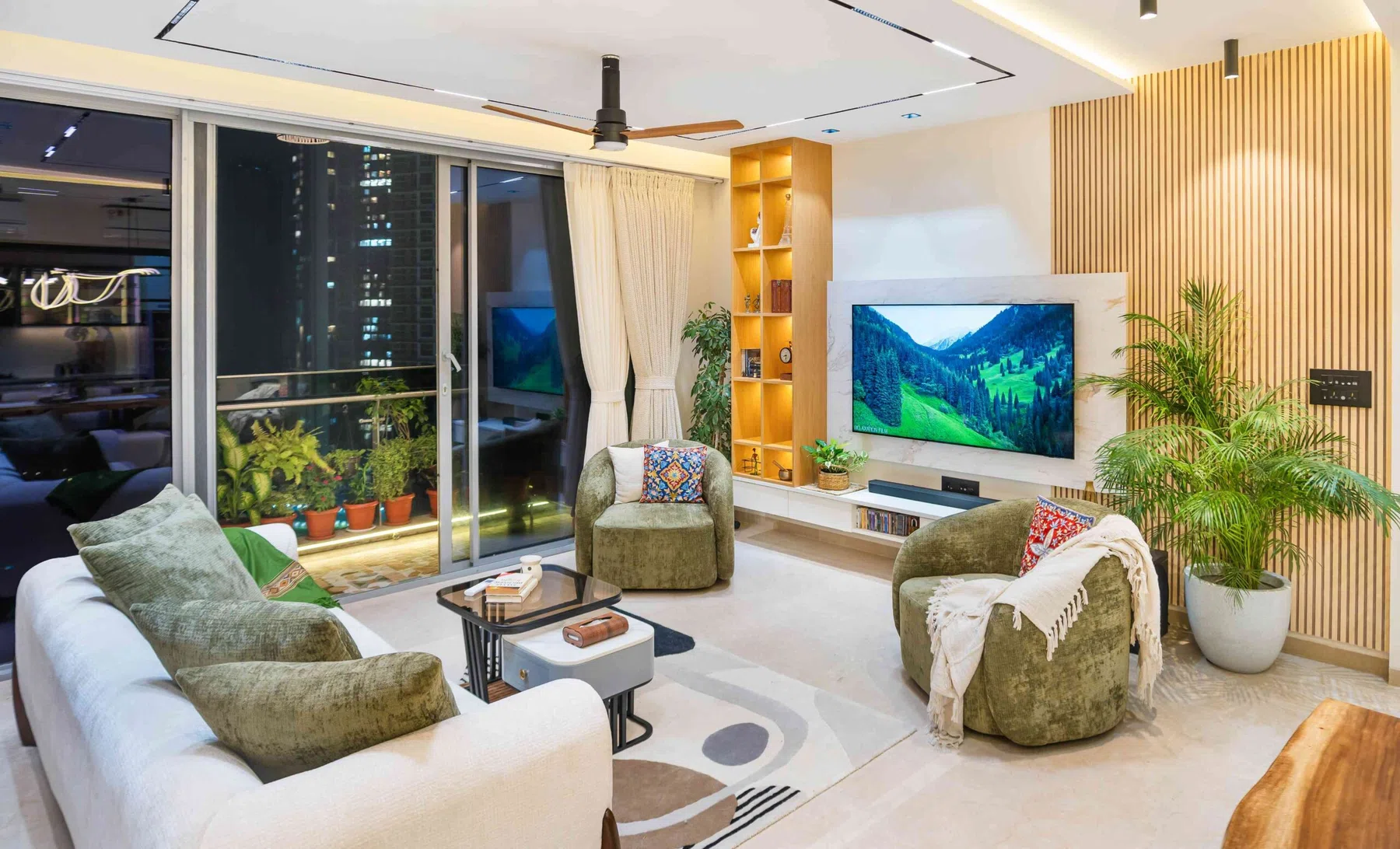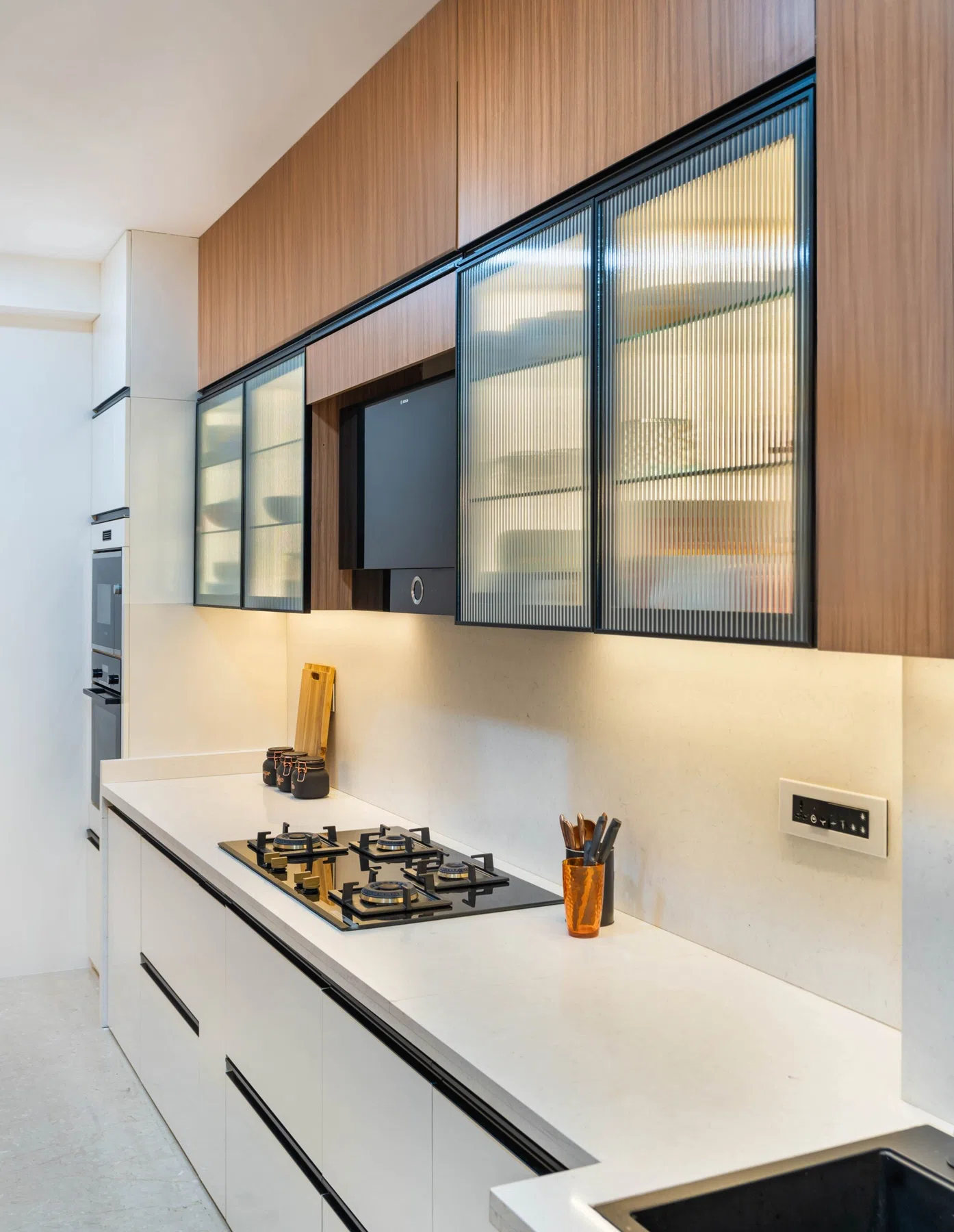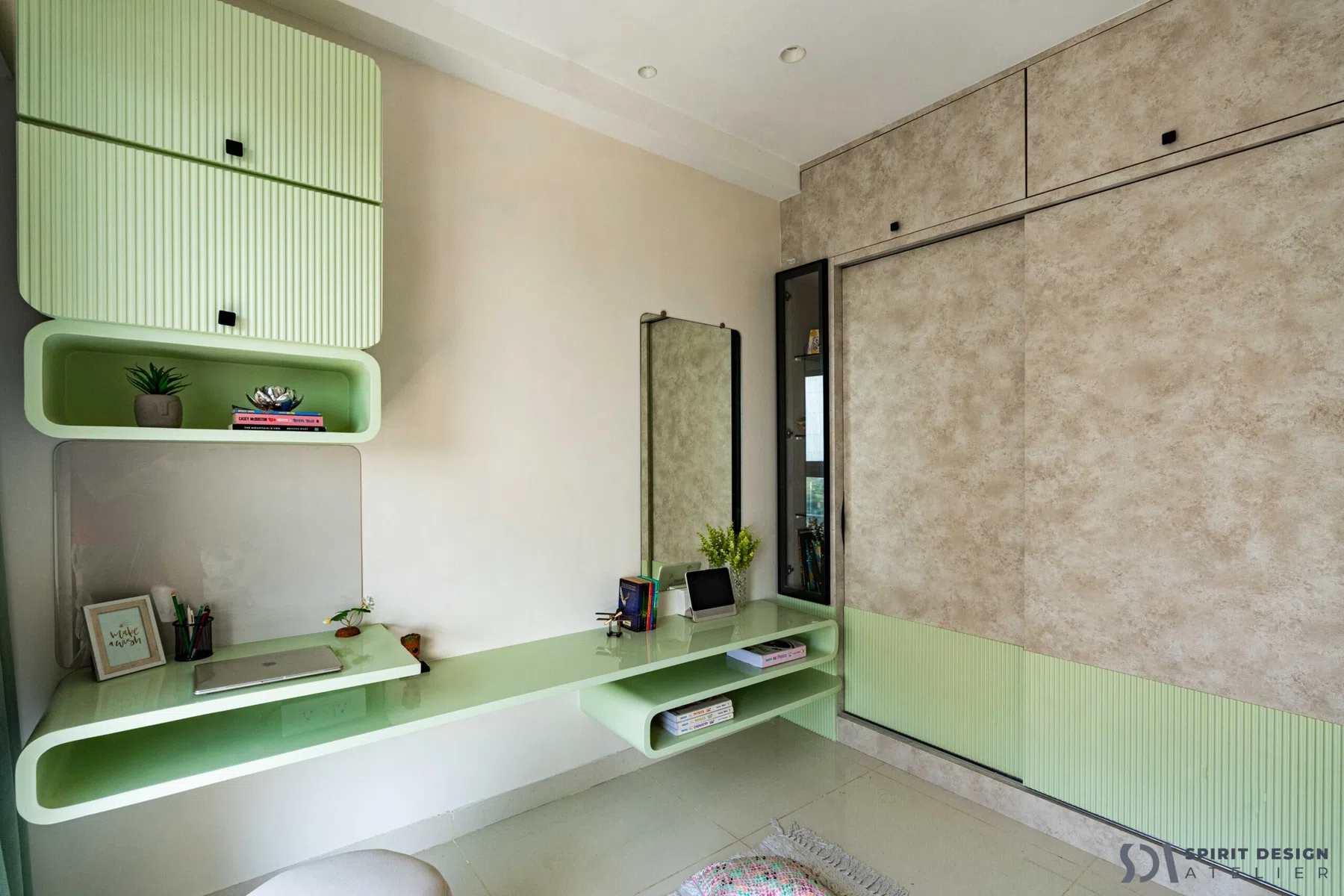
Mixing Modern and Traditional Styles Seamlessly
Modern and traditional design can work beautifully together when both are treated with intention. Contrast adds character when proportion, tone and detail are carefully balanced.
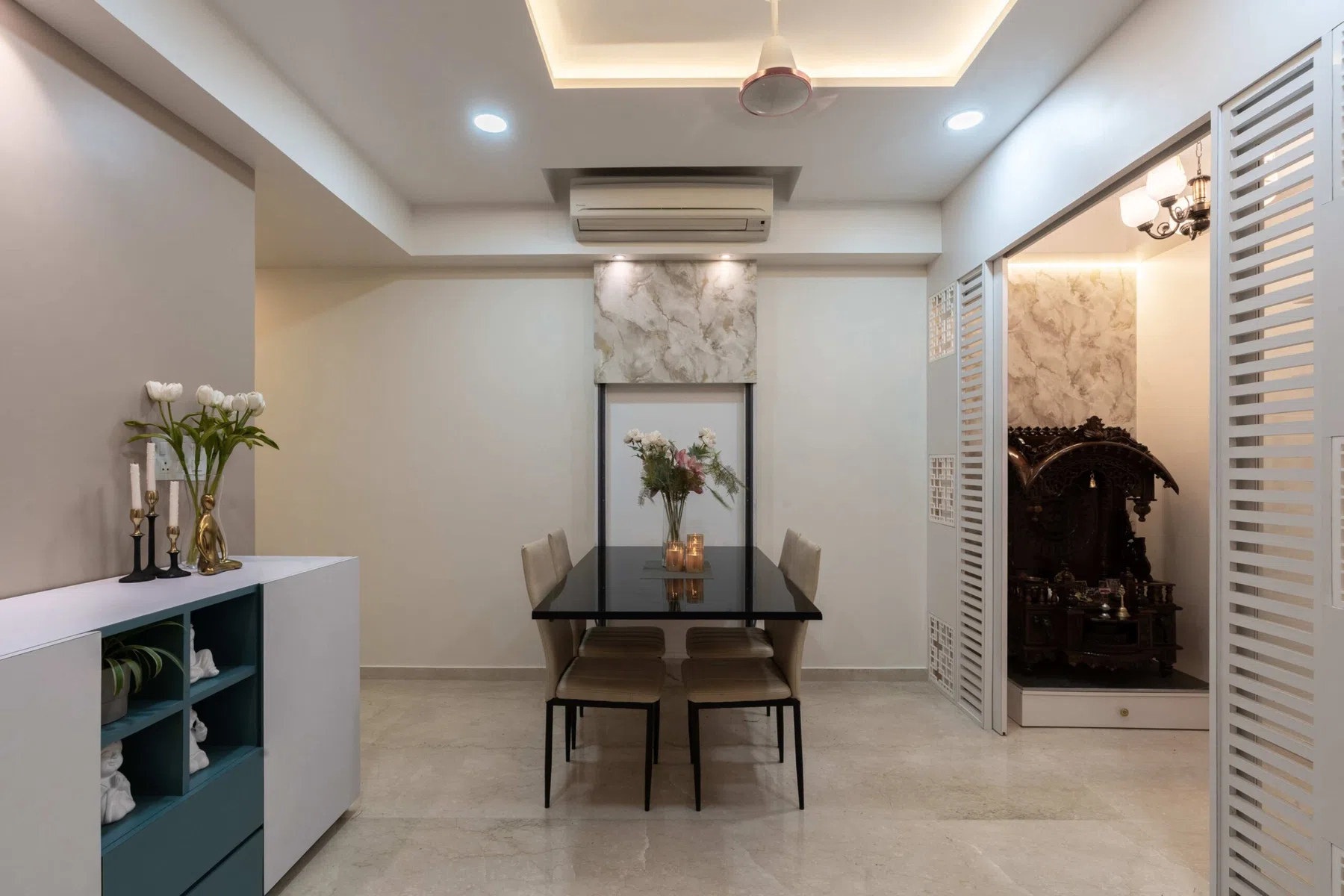
Modern and traditional design can work beautifully together when both are treated with intention. Contrast adds character when proportion, tone and detail are carefully balanced.
Find a common thread
Begin with a shared palette, material or silhouette that unites the different periods. A contemporary sofa can sit comfortably beside a classic timber console when the colours and proportions have a relationship.
A restrained backdrop gives collected pieces space to tell their stories.
Balance visual weight
Pair ornate furniture with simpler shapes, and avoid clustering every decorative detail into one corner. The aim is not equal amounts of each style, but a considered relationship between them.
Allow heritage pieces to become focal points rather than forcing them to compete with many other statement objects.
Let materials connect the room
Timber, natural stone, linen and metal can bridge different design eras. Repeating one finish across lighting, hardware or furniture creates continuity without making the room feel matchy.
A subtle variation in texture keeps the composition layered and personal.
Celebrate what you already own
Inherited art, family objects and restored furniture often add emotional depth to modern interiors. Build around pieces worth keeping instead of replacing everything with a single new style.
The result can feel evolved over time rather than assembled in one purchase.
Beautiful interiors are personal. The right answer balances aesthetics, daily routines and material choices rather than following a formula.
Let's plan your space ↗